

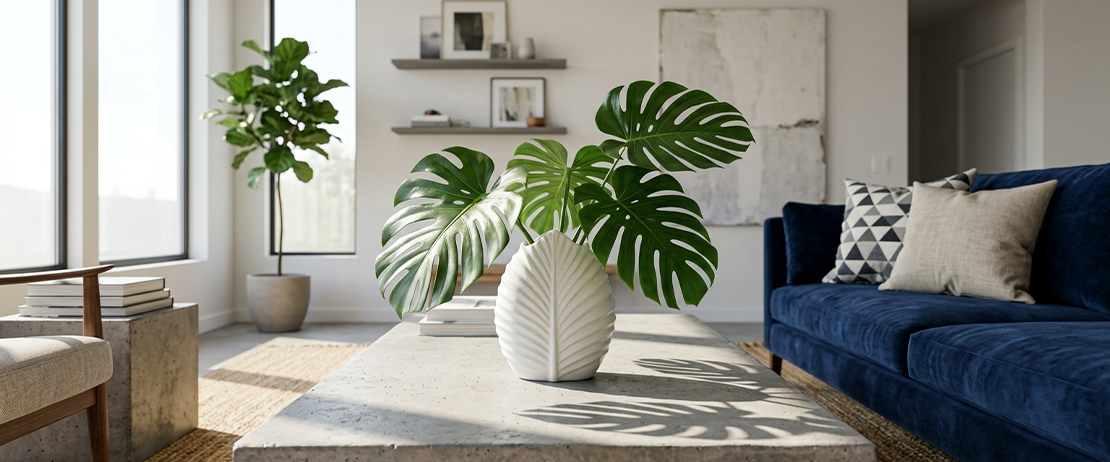
You have arranged the sofa, positioned the television, and laid down a soft rug, yet something feels distinctively unfinished. You look around the living room, and despite having all the essential furniture , the space seems cold, cavernous, and empty too. This is an incredibly common design dilemma that leaves many homeowners feeling frustrated. The issue is rarely a lack of furniture; instead, it is a lack of visual connection between your pieces. A room feels empty when the eye finds nowhere to rest and no story to follow. Let us uncover exactly why you living room feels hollow and how to fix it easily.
The Problem of Floating Furniture
A frequent cause of an empty-feeling living room is furniture placement. Many people automatically push every single piece of furniture directly against the walls, believing this creates an open and airy layout.
In reality, pushing your seating to the perimeter leaves a massive, awkward void in the center of the room. It separates your furniture pieces, making the entire arrangement look disconnected and lonely.
To fix this layout issue, try pulling your seating away from the walls, even if it is just by a few inches. Grouping a sofa and chairs closer together around a central point, like a coffee table establishes a clear conversation zone. This immediately anchors the room, making the layout feel intimate and intentional rather than sparse and scattered.
Ignoring the Vertical Dimension
When a room feels hollow, the culprit is often a lack of vertical design elements. If all your furniture sits at the exact same low height, the bottom third of your room becomes crowded while the upper two-thirds remain completely blank. This start contrast emphasizes the empty air above your head, making the ceiling feel cold and distant.
You can bridge this vertical gap by introducing items that draw the eye upward. Tall bookcase units, long drapery hung all the way from the ceiling line, or collection of small framed artworks arranged vertically can transform a blank wall. By filling the vertical plane, you balance the proportions of the room, ensuring that the entire volume of the space feels occupied and balanced.
The Absence of Textural Contrast
An empty room is often a room that tends to lack texture. If your walls are smooth drywall, your floors are sleek wood, and your sofa is flat leather, the surfaces offer no visual friction. Without texture, light bounces off every surface uniformly, resulting in a flat and sterile environment that feels unfinished and empty to the senses.
Introducing varying textures acts like a warm embrace for a room. Mix things up by adding a chunky woven throw blanket over the back of a smooth chair, or placing a rough ceramic vase above a polished glass table . The contrast between rough and smooth, matte and glossy, soft and hard creates visual depth. This depth fills the room sensory-wise, making it feel cozy and finished without adding actual physical clutter.
Blank Wall Syndrome: The Need for Character
Large, unbroken expenses of a drywall are a major reason why a living room can feel like a barren gallery rather than a home. However, filling a wall doesn’t mean you need to purchase a giant, expensive canvases. In fact, a single massive frame can sometimes look just as cold if it lacks personality.
Instead, look to fill your walls with a curated arrangement of smaller, unique items. Consider architectural details like wooden picture ledges, or a small series of small, matching frames housing monochrome botanical prints . Hanging a unique woven textile or a sculptural metal grid can add three-dimensional interest to a flat wall. These details tend to break up the monotony of the paint, giving eye something interesting to focus on as you scan the room.
Small Accents with High Impact
When a room feels empty, the instinct is often to go out and buy another large piece of furniture. This is a mistake that can result to a cramped, uncoordinated space. Often, all the room needs is a selection of small, high-character decorative accents to act as connective tissue between your larger pieces.
A vacant corner can be immediately revived with a simple, elegant plant stand holding a vibrant fern. An empty coffee table becomes a focal point when you add a small brass tray, a sculptural candle holder, and a couple of interesting book designs. These small items fill the micro-voids within your room, which provides the finishing touches that make a space feel truly realized and lived-in at the same time.
The Power of Layered Lighting
Harsh, uniform lighting from a single overhead fixture can strip a room of its warmth, flattening out shadows and making the space look stark and empty. To create a cozy atmosphere, you must layer your lighting at different heights throughout the living room.
Combine your main light source with small accent lamps placed on side tables, bookshelves, or consoles. Use warm LED bulbs to create gentle pools of light in corners that would otherwise sit in shadow. This variation in illumination creates depth and contrast, making the physical boundaries of the room soften. The soft shadows and warm highlights make the entire environment feel intimate, secure, and visually complete.
Creating Small Zones Within the Room
If you are dealing with a large or open-concept living area, the emptiness often stems from a lack of definition. Without clear boundaries, the eye wanders aimlessly through the space. The solution is to divide the larger room into smaller, purposeful sub-zones.
Use a small accent rug to define a cozy reading nook in a corner, complete with a single armchair and a small floor lamp. Set up a console table behind a floating sofa to create a stylish entryway zone. By breaking the room down into these smaller, dedicated areas, you eliminate the overwhelming vastness of the space, ensuring that every single square foot has a clear recognizable purpose.
Color Blending: Creating Harmony in Small Zones
Integrating small objects requires a thoughtful approach to color. Instead of scattering mismatched hues across the room, select a unified palette for your mini decor pieces. Pairing a soft cream ceramic dish with a muted beige stone ornament establishes a subtle, sophisticated zone that feels calm yet visually interesting.
This deliberate color coordination prevents a small room from looking chaotic or fragmented. When your accent pieces speak the same visual language, they tend to blend seamlessly into the existing furniture, which creates an atmosphere that feels organized, intentional, and also spacious.
Fragrance and Form: The Multi-Sensory Approach
Decorating a compact environment should involve more than just visual appeal. Combining striking shapes with pleasant scents creates a memorable atmosphere. A sleek, matte black reed diffuser or a uniquely shaped wax sculpture serves as a stunning visual accent while filling the air with a subtle aroma.
Placing these items in entryways or compact hallways ensures that they make an immediate impression. This sensory layering adds incredible depth to your home, making a limited square footage feel layered and completely developed.
Sculptural Shapes: Affordable Art for Your Surfaces
You don’t need to spend a fortune on original gallery artwork to bring artistic flair into your home. Instead, look for affordable everyday items that tend to feature strong sculptural shapes and clean lines.
A geometric concrete bookend, a wavy glass centerpiece, or an asymmetric candle holder can function as mini statues on your shelves. When you choose budget-friendly decor items with bold silhouettes, they command attention all on their own. These interesting shapes break up the straight lines of your standard furniture, introducing a modern, high-end look to your living space without requiring a hefty economic expenditure.
Complete Your Living Space Today
An empty living room is simply a space waiting for its finishing details. By shifting your layout, embracing vertical elements, layering textures, and using small, high-impact accents, you can easily establish that cold, hollow feeling for good. It is time to make your home feel as warm and welcoming as it should be.
Look around your living room and identify the empty zones that are dampening the mood. Explore our exclusive collection of unique decorative items , accent pieces, and styling tools designed to bring life and completeness to any room. Discover the ideal items to anchor your layout and transform your living room into a cozy haven today.
